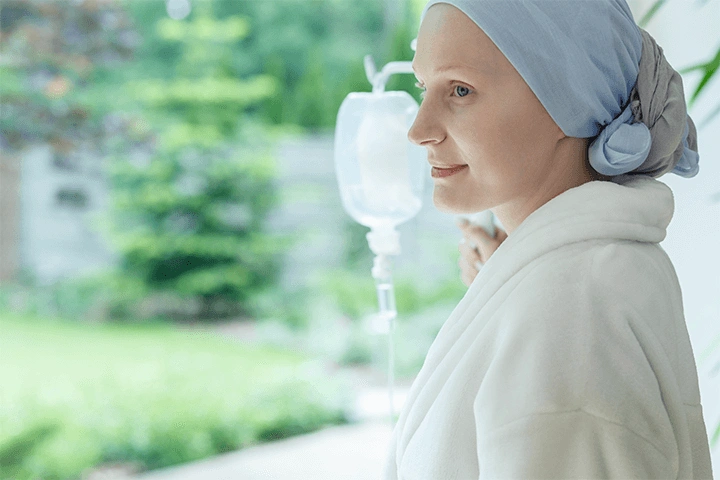
Tumours that form when cells in the lung multiply in an uncontrolled and unbalanced way are known as lung cancer. If you are asking yourself, “Yes, this is an illness, but how am I going to cope with it?”, you are already one step ahead. The first condition for fighting the disease is refusing to accept defeat. After diagnosis and treatment, it is extremely important to follow all of your doctor’s instructions and to attend every appointment.
Nobody thinks illness will happen to them, and nobody wants to have cancer. Even so, it is normal after a diagnosis to find the situation hard to accept, to feel sad, to look for reasons and to question your past, and even to experience mood problems such as depression, panic attacks and severe anxiety. Once treatment begins, its physical side effects will also make you feel unwell. But remember, all of this is normal. Above all, keep this in mind: you are not alone. The past is in the past. You will begin shaping your future today.
Taking steps to protect both your physical and your mental health throughout lung cancer treatment will be extremely helpful. Let us plan this road map together. We will start by reducing the negative effects of the illness and its treatment on you, finding harmony between body and mind, and making your body and your state of mind stronger.
Strengthen yourself physically
- Exercise your body: If you are wondering “What should I do after lung cancer surgery?”, one of the answers is exercise. From the first day after the operation, start taking short walks, sit up rather than lying down and try to move your arms. In this way your body will regain its former mobility sooner.
- Do breathing exercises: Focus on your breathing in order to relax, to ease tension and to keep complications after surgery to a minimum. Deep breathing, blowing up balloons and coughing exercises will both relieve the lung and help the body to clear fluids that have built up, such as blood and phlegm. Naturally, you should do these as directed by your doctor.
- Pay attention to your diet: Another factor that is as important as breathing exercises after lung cancer is nutrition. With your doctor’s guidance and approval, you can take liquid foods for the recommended period and then move on to a normal diet. Do not neglect to eat well and to drink plenty of fluids.
Do not let the illness define your state of mind
- The side effects of treatment, your body adjusting to a new way of working, physical changes and the very presence of the illness will make you feel low. But remember, this is a period of adjustment. Remind yourself often that feeling well in yourself matters as you go through the illness. Send away the thought “I am ill” that sits at the back of your mind. At times when the illness or the treatment is hard on you, do not give in to the fear of “not succeeding”. By having treatment you are already doing everything you can. Do not be harsh on yourself.
- Negative thoughts will not help you. Feeling positive, on the other hand, will give you mental energy and help you to have a good day. Of course, you should not create an anxiety of “I must feel happy” either. Like everyone, you will feel better at some times and have less energy and less cheer at others.
- Psychological support in cancer is extremely important, indeed essential. You do not have to struggle with depression or an anxiety disorder alone. If you feel unhappy and cannot lift your mood by yourself, you can seek professional support. Another important option is cancer support services: joining a cancer support group will have a positive effect on how you adjust psychologically.
Keep in mind that the illness you feel has weakened you has in fact made you stronger from many different perspectives.